https://www.highperformancecpmgate.com/rgeesizw1?key=a9d7b2ab045c91688419e8e18a006621

No, Spotify, you shouldn’t have sent mysterious USB drives to journalists

Last week, Spotify sent out a number of USB drives to reporters with a note: “Play me.”

It’s not uncommon for reporters to to receive USB drives in the post. Companies distribute USB drives all the time, including at tech conferences, often containing promotional materials or large files, such as videos that would otherwise be difficult to get into as many hands as possible.

But anyone with basic security training under their hat — which here at TechCrunch we do — will know to never plug in a USB drive without taking some precautions first.

Concerned but undeterred, we safely examined the contents of the drive using a disposable version of Ubuntu Linux (using a live CD) on a spare computer. We examined the drive and found it was benign.

On the drive was a single audio file. “This is Alex Goldman, and you’ve just been hacked,” the file played.

The drive was just a promotion for a new Spotify podcast. Because of course it was.
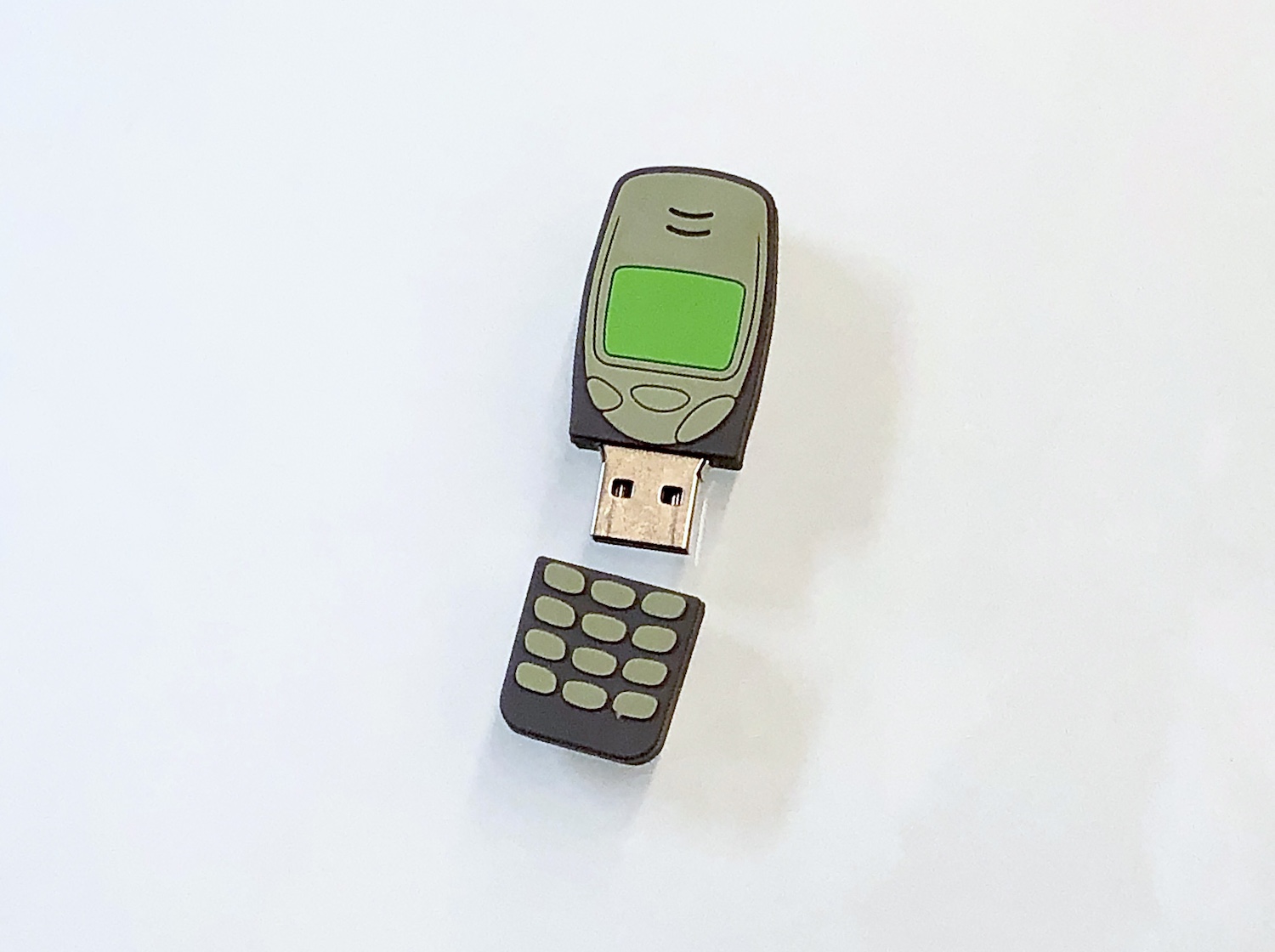
The USB drive that Spotify sent journalists. (Image: TechCrunch)

Jake Williams, a former NSA hacker and founder of Rendition Infosec, called the move “amazingly tone deaf” to encourage reporters into plugging in the drives to their computers.

USB drives are not inherently malicious, but are known to be used in hacking campaigns — like power plants and nuclear enrichment plants — which are typically not connected to the internet. USB drives can harbor malware that can open and install backdoors on a victim’s computer, Williams said.

“The files on the USB itself may contain active content,” he said, which when opened can exploit a bug on an affected device.

A spokesperson for Spotify did not comment. Instead, it passed our request to Sunshine Sachs, a public relations firm that works for Spotify, which would not comment on the record beyond that “all reporters received an email stating this was on the way.”

Plugging in random USB drives is a bigger problem than you might think. Elie Bursztein, a Google security researcher, found in his own research that about half of all people will plug in random USB drives into their computer.

John Deere earlier this year caused a ruckus after it distributed a promotion drive that actively hijacked the computer’s keyboard. The drive contained code which when plugged in ran a script, opened the browser, and automatically typed in the company’s website. Even though the drive was not inherently malicious, the move was highly criticized as malware often acts in an automated, scripted way.

Given the threats that USB drives can pose, Homeland Security’s cybersecurity division CISA last month updated its guidance about USB drive security. Journalists are among those who are frequent targets by some governments, including targeted cyberattacks.

Remember: always take precautions when handling USB drives. And never plug one in unless you trust it.

Comments

Popular posts from this blog

Uber co-founder Garrett Camp steps back from board director role

Uber co-founder Garrett Camp is relinquishing his role as a board director and switching to board observer — where he says he’ll focus on product strategy for the ride hailing giant. Camp made the announcement in a short Medium post in which he writes of his decade at Uber: “I’ve learned a lot, and realized that I’m most helpful when focused on product strategy & design, and this is where I’d like to focus going forward.” “I will continue to work with Dara [Khosrowshahi, Uber CEO] and the product and technology leadership teams to brainstorm new ideas, iterate on plans and designs, and continue to innovate at scale,” he adds. “We have a strong and diverse team in place, and I’m confident everyone will navigate well during these turbulent times.” The Canadian billionaire entrepreneur signs off by saying he’s looking forward to helping Uber “brainstorm the next big idea”. Camp hasn’t been short of ideas over his career in tech. He’s the co-founder of the web 2.0 recommendatio...

Leading VCs discuss how COVID-19 has impacted the world of digital health

In December 2019, Extra Crunch spoke to a group of investors leading the charge in health tech to discuss where they saw the most opportunity in the space leading into 2020 . At the time, respondents highlighted startups in digital therapeutics, telehealth and mental health that were improving medical practitioner efficiency or streamlining the distribution of care, amongst a variety of other digital health markets that were garnering the most attention. Where top VCs are investing in digital health In the months since, the COVID-19 crisis has debilitated national healthcare systems and the global economy. Weaknesses in healthcare systems have become clearer than ever, while startups and capital providers have struggled to operate while wide swaths of the market effectively shut down. Given significant volatility and the rapid changes seen in the worlds of healthcare, venture and startups broadly, we wanted to understand which inefficiencies might have been brought to light, w...

News-reading app Flipboard expands local coverage, including coronavirus updates, to 12 more U.S. metros

Earlier this year, personalized news aggregation app Flipboard expanded into local news . The feature brought local news, sports, real estate, weather, transportation news and more to 23 cities across the U.S. Today, Flipboard is bringing local news to 12 more U.S. metros and is adding critical coronavirus local coverage to all of the 35 supported locales. The 12 new metros include the following:  Baltimore, Charlotte, Cleveland, Detroit, Indianapolis, Nashville, Pittsburgh, Orlando, Raleigh, Salt Lake City, St. Louis, and Tampa Bay. They join the 23 cities that were already supported:  Atlanta, Austin, Boston, Chicago, Dallas, Denver, Houston, Las Vegas, Los Angeles, Miami, Minneapolis-St. Paul, New Orleans, New York City, Philadelphia, Phoenix, Portland, Sacramento, San Diego, San Francisco Bay Area, Seattle, Toronto, Vancouver and Washington, D.C. To offer local news in its app, Flipboard works with area partners, big and small, like The Plain Dealer’s Cleveland.com , ...