https://www.highperformancecpmgate.com/rgeesizw1?key=a9d7b2ab045c91688419e8e18a006621

Paris opens a data center to control its digital infrastructure

The city of Paris is doing something I didn’t expect — they’re launching their own data center to host their digital services. The data center is going to be operated by city employees, so Paris plans to control their digital destiny from end to end.

I visited the data center yesterday. Located in the north of Paris in the 18th arrondissement, the data center is hidden in the basement of an office building — nothing tells you that there’s a data center in there.

But why is Paris creating its own data center? It seems a bit counterintuitive as many organizations are moving to the cloud so that they don’t have to manage any physical infrastructure.

The City of Paris says that it comes down to remaining in control of public data, providing more reliable services and reducing the environmental impact — the data center is injecting warm water from the water cooling system into the heating system of residential buildings next door.
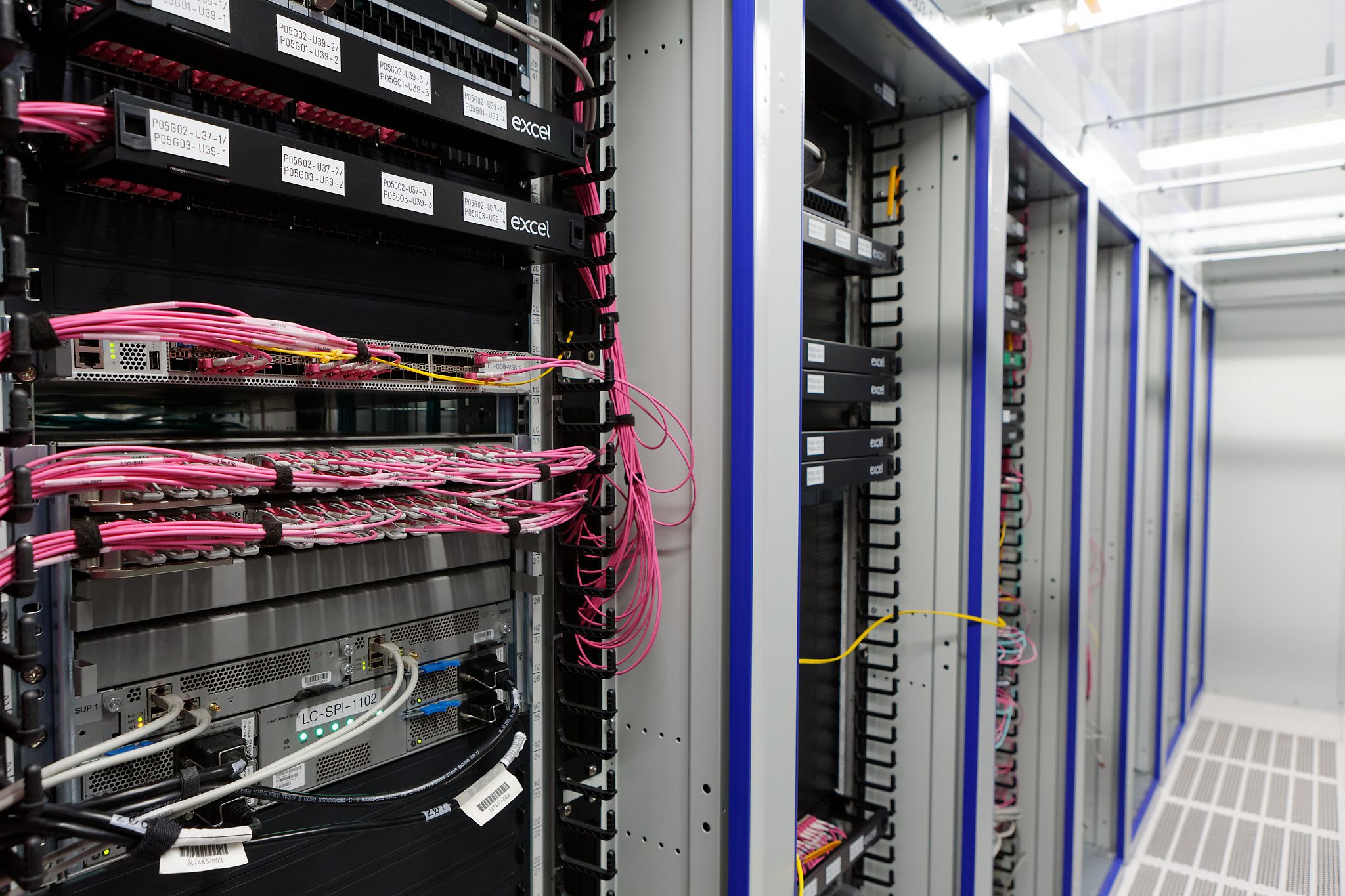
But one thing kept coming up again and again. Creating a data center is much cheaper than renting some space. For the past four years, IBM has been operating the data center space used by the City of Paris.

But you have to renegotiate the contract every four years. If another provider is cheaper than IBM for instance, the City of Paris has to sign a new contract and move all their servers to this new data center. It takes months and it can cost up to $1.1 million (€1 million).

Paris has invested nearly $18 million (€16 million) in this new data center. City officials hope that they won’t have to open another data center or move to another one for the next 50 years.

“We want to be able to tell citizens where their data is, we want to save some money and we want some stability by avoiding regular moves,” Paris IT head Joachim Labrunie told me.
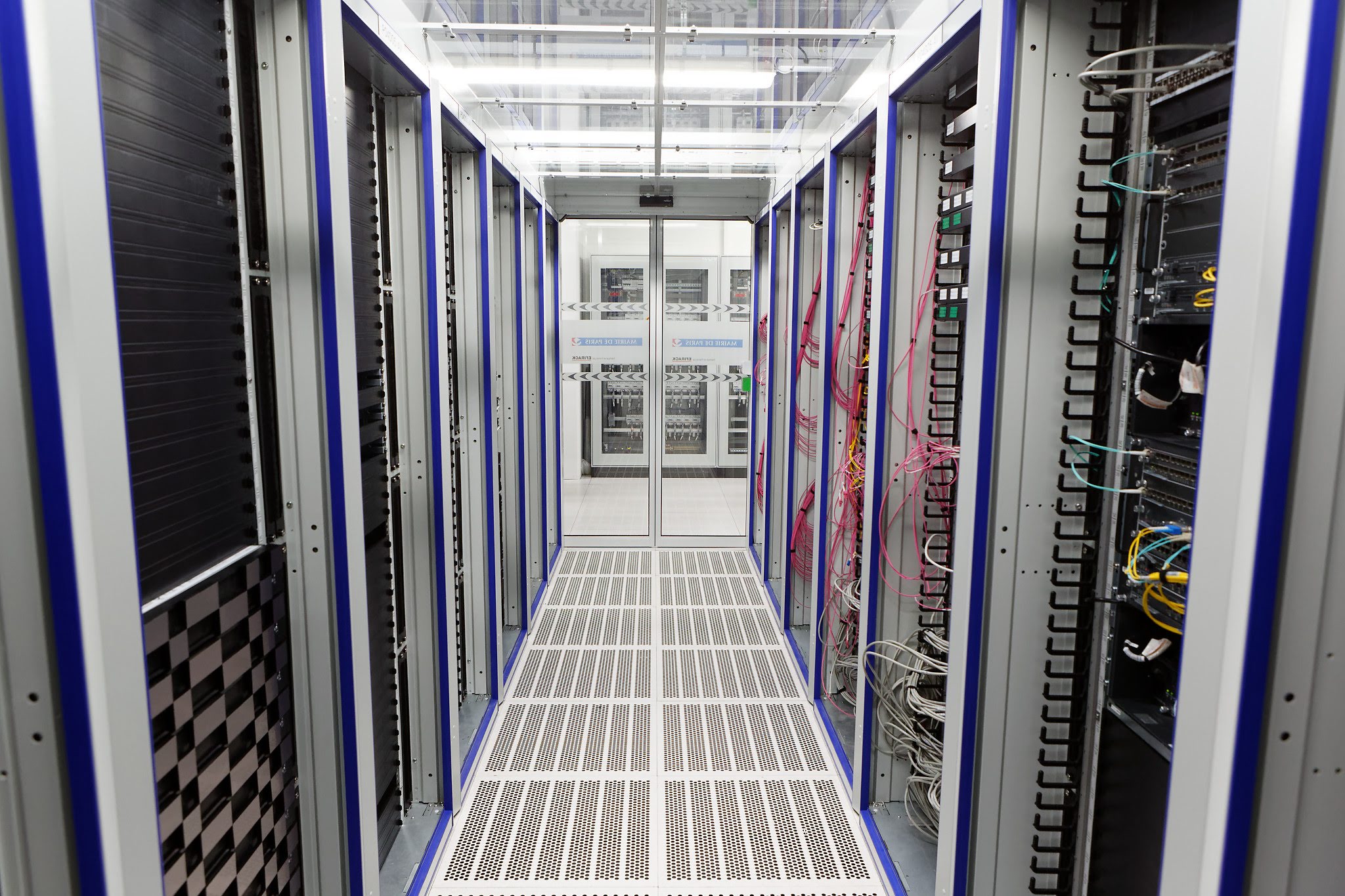
When you compare it with most data centers, the public data center is relatively small — 8,200 square feet (760 square meters). There’s enough room for 240 racks.

It’s a tier 3 data center, which means they expect at least 99.982 percent of uptime. Everything is redundant, from power to cooling and internet, and there is a gigantic generator in case everything fails.

When I visited the data center, it was still mostly empty. Paris doesn’t run a social network after all, so it only needs 300 servers to operate.

Paris is already done migrating all its digital services. The company is going to rent some space to public organizations, such as the organizations in charge of social housing (Paris Habitat), public hospitals (APHP) and water distribution (Eau de Paris). Of course, Paris is competitive when it comes to price, which should also save some public money.

Officials themselves know that it’s an odd project. They don’t think all major cities should build their own data centers.

“This project works because the city already has talent [to build, operate and manage a data center],” Paris deputy mayor in charge of budget Emmanuel Grégoire told me. It made sense for Paris at this point in time, but it’s not for everyone.

Comments

Popular posts from this blog

Uber co-founder Garrett Camp steps back from board director role

Uber co-founder Garrett Camp is relinquishing his role as a board director and switching to board observer — where he says he’ll focus on product strategy for the ride hailing giant. Camp made the announcement in a short Medium post in which he writes of his decade at Uber: “I’ve learned a lot, and realized that I’m most helpful when focused on product strategy & design, and this is where I’d like to focus going forward.” “I will continue to work with Dara [Khosrowshahi, Uber CEO] and the product and technology leadership teams to brainstorm new ideas, iterate on plans and designs, and continue to innovate at scale,” he adds. “We have a strong and diverse team in place, and I’m confident everyone will navigate well during these turbulent times.” The Canadian billionaire entrepreneur signs off by saying he’s looking forward to helping Uber “brainstorm the next big idea”. Camp hasn’t been short of ideas over his career in tech. He’s the co-founder of the web 2.0 recommendatio...

How the world’s largest cannabis dispensary avoids social media restrictions

Planet 13 is the world’s largest cannabis dispensary. Located in Las Vegas, blocks off the Strip, the facility is the size of a small Walmart. By design, it’s hard to miss. Planet 13 is upending the dispensary model. It’s big, loud and visitors are encouraged to photograph everything. As part of the cannabis industry, Planet 13 is heavily restricted on the type of content it can publish on Instagram, Facebook and other social media platforms. It’s not allowed to post pictures of buds or vapes on some sites. It can’t talk about pricing or product selection on others.   View this post on Instagram   A post shared by Morgan Celeste SF Blogger (@bayareabeautyblogger) on Jan 25, 2020 at 7:54pm PST Instead, Planet 13 encourages its thousands of visitors to take photos and videos. Starting with the entrance, the facility is full of surprises tailored for the ‘gram. As a business, Planet 13’s social media content is heavily restricted a...

Billionaire clothing dynasty heiress launches Everybody & Everyone to make fashion sustainable

Veronica Chou’s family has made its fortune at the forefront of the fast fashion business through investments in companies like Michael Kors and Tommy Hilfiger . But now, the heiress to an estimated $2.1 billion fortune is launching her own company, Everybody & Everyone , to prove that the fashion industry can be both environmentally sustainable and profitable. There’s no argument about the negative impacts of the fashion industry on the environment. The textiles industry primarily uses non-renewable resources — on the order of 98 million tons per year. That includes the oil to make synthetic fibers, fertilizers to grow cotton, and toxic chemicals to dye, treat, and produce the textiles used to make clothes. The greenhouse gas footprint from textiles production was roughly 1.2 billion tons of CO2 equivalent in 2015 — more than all international flights and maritime shipments combined (and a lot of those maritime shipments and international flights were hauling clothes). The lit...