Google’s Gradient Ventures, the search giant’s dedicated AI fund, is casting its eye to Asia after it led a $7 million Series A round for Elsa, a startup that operates an app for English language learners.
The deal is Gradient’s first in Asia, and it includes participation from existing investors Monk’s Hill Ventures and SOSV. Elsa has now raised $12 million raised to date.
Elsa was founded in 2015 as a way to help non-English speakers improve their accent and general speaking ability. Vu Van, CEO and one half of the founding team, is a Vietnamese national who, despite being fluent in English, struggled to be understood after moving to the U.S. to study and then work. Together with speech recognition researcher Dr. Xavier Anguera — the startup’s CTO who leads its Portugal-based tech team — Van started Elsa to help people in the same predicament.
“I was very good at grammar, reading and writing but I realized people had a hard time understanding me because I had a very strong accent and my pronunciation wasn’t proper,” Van, who is based in San Francisco but travels extensively, told TechCrunch in an interview. “This impacts confidence when you apply for jobs or are even just meeting friends.”
“There are so many English learning solutions but they are mostly focused on expanding vocabulary or grammar, very few deal with pronunciation,” she added.
Elsa uses voice recognition and AI to grade a user’s speaking versus standard American English (and I thought us Brits were the global standard…) giving them a score at the end. That helps track their progress, while it focuses on pronunciation with a detailed review on how a user is speaking.
The service uses a freemium model that grants users full access to 1,000 courses for around $3-6 per month depending on the length of the package they opts for. That ranges from one month of access to 12 months. New content is added every week, Van said.

With this money in the bag, Elsa is going after growth in a number of its most promising markets.
The service has users in over 100 countries, but Vietnam is its top market with two million paying users. Partly because is it us Van’s home market, Elsa has doubled down on Vietnam with a local sales team and localized payments, including the likes of bank transfers and local wallets.
That’s the blueprint for expansion in its next three target countries; Japan, Indonesia and India. Already, Esla has opened an office in Tokyo and it is planning to introduce more localized content for Japanese users. Similar efforts will happen in Indonesia and India, where Van said the app sees strong engagement and downloads without any paid marketing efforts.
Elsa is also working on expanding its content from English to include other languages. Spanish is currently on the horizon and the company is already preparing the backend technology to make it possible.
“We have to build the voice recognition technology to recognize those languages accurately. We have the infrastructure but now just need to collect voice data to train the model,” explained Van.
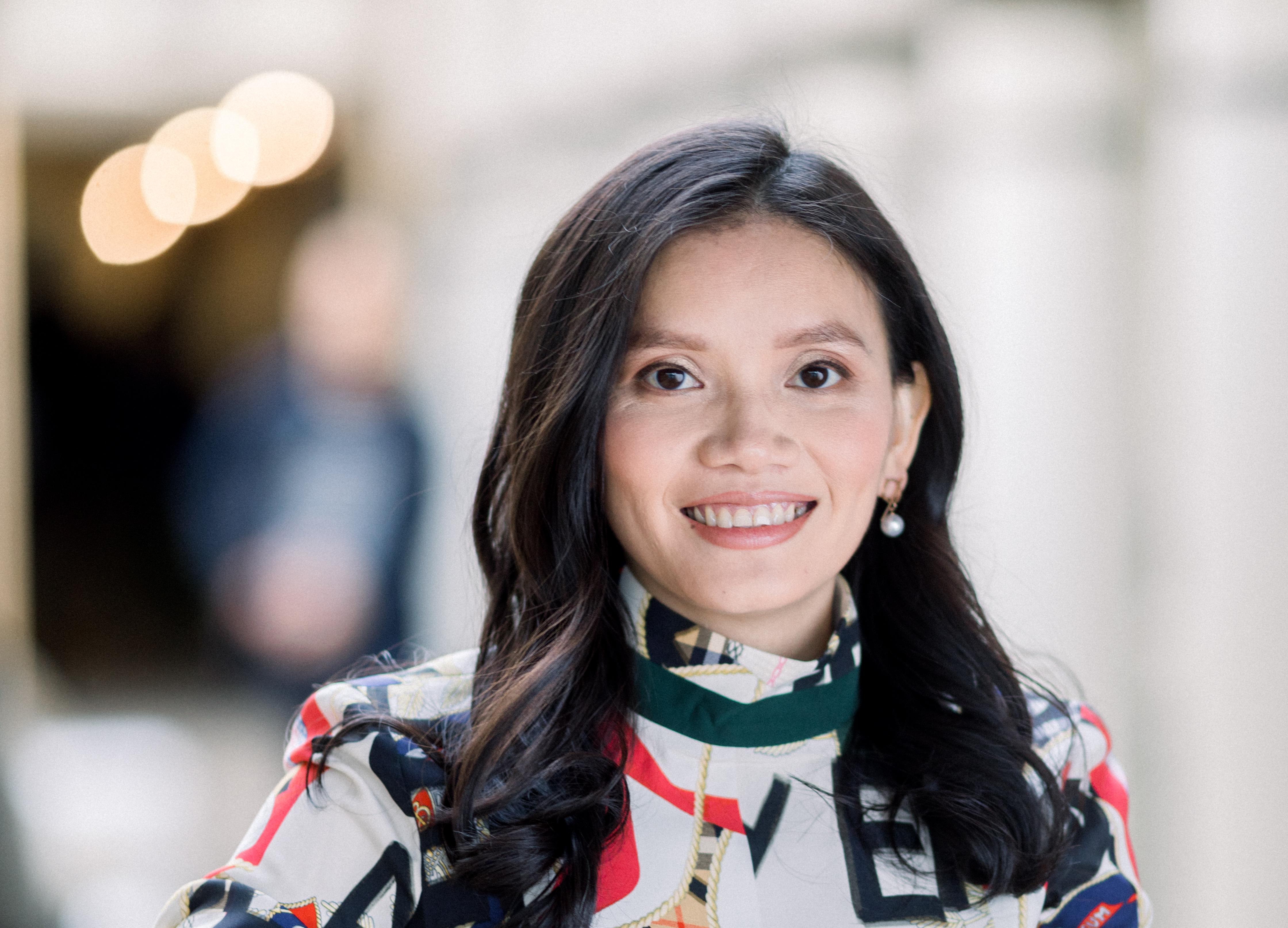
Vu Van started Elsa in 2015 with Dr. Xavier Anguera to help non-English speakers improve their accent and general speaking ability.
Beyond geographic expansion, Elsa is also going after schools and classrooms. Already, in Vietnam, it is working with a handful of schools who have added the app to their classroom work. The company allows schools to upload their specific content or curriculum to Elsa to make it part of a student’s homework or assessment. Teachers can see if a student has completed oral homework, and the app grades their efforts.
“We want to help these teachers help their students,” Van said. “Even with the best intentions, they simply can’t teach speaking.”
The model for the education push sees schools pay a licensing fee per student, which Van said is subsidized while uploading their content is free.
Snagging investment from Gradient is a notable achievement for Elsa, but it will also allow the startup to tap into the company’s talent, too. That’s because Gradient operates a rotational program that allows Google employees to spend three to six months working at portfolio startups on secondment. That process hasn’t kicked off for Elsa just yet, but Van is hopeful of securing an engineer who might otherwise be prohibitively expensive for her company.
Gradient Ventures was founded in 2017 and this deal is the fund’s 18th, according to Crunchbase. Its previous investments include Canvass Analytics and Test.ai.
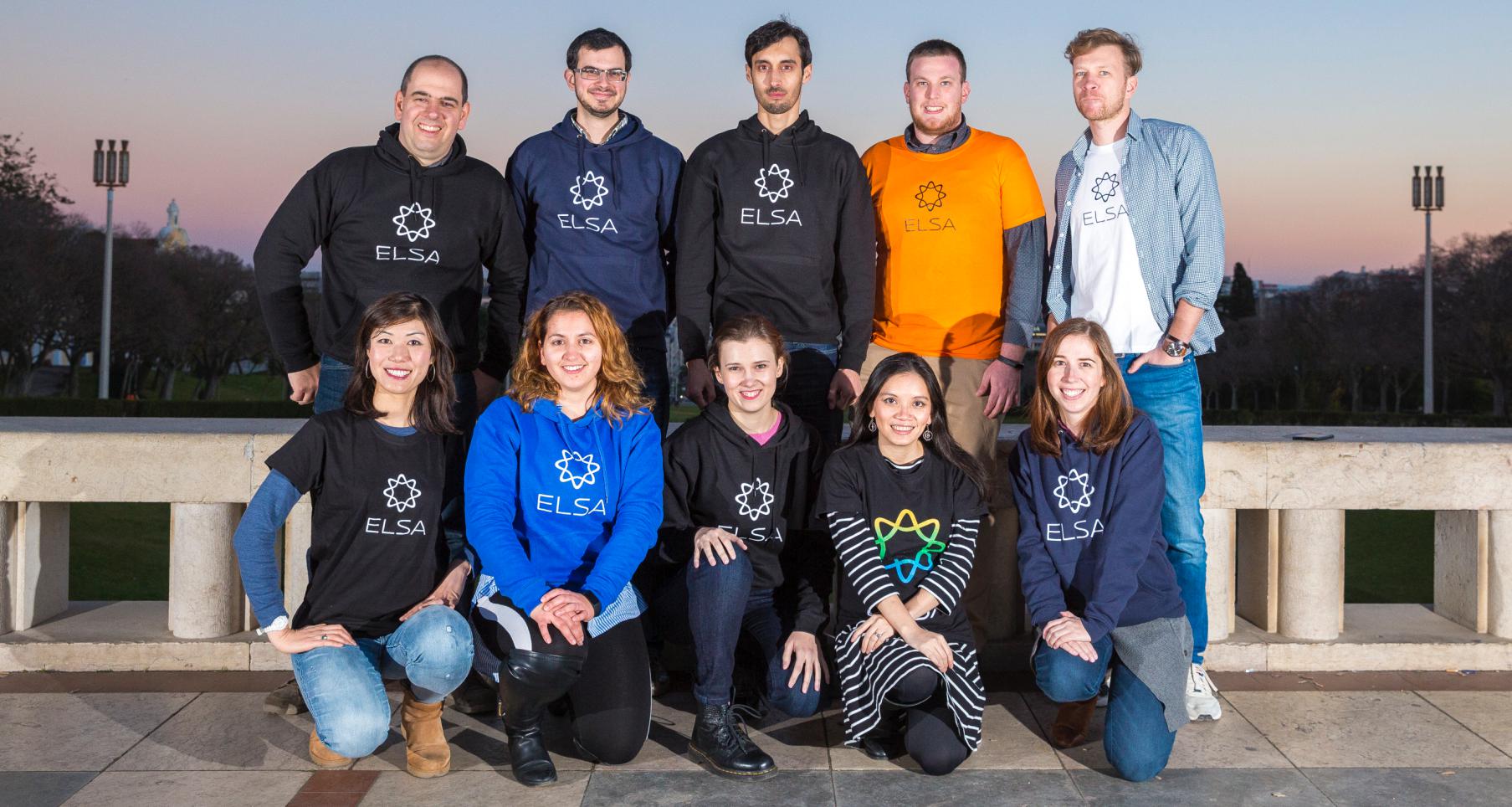
The Elsa team


Comments
Post a Comment