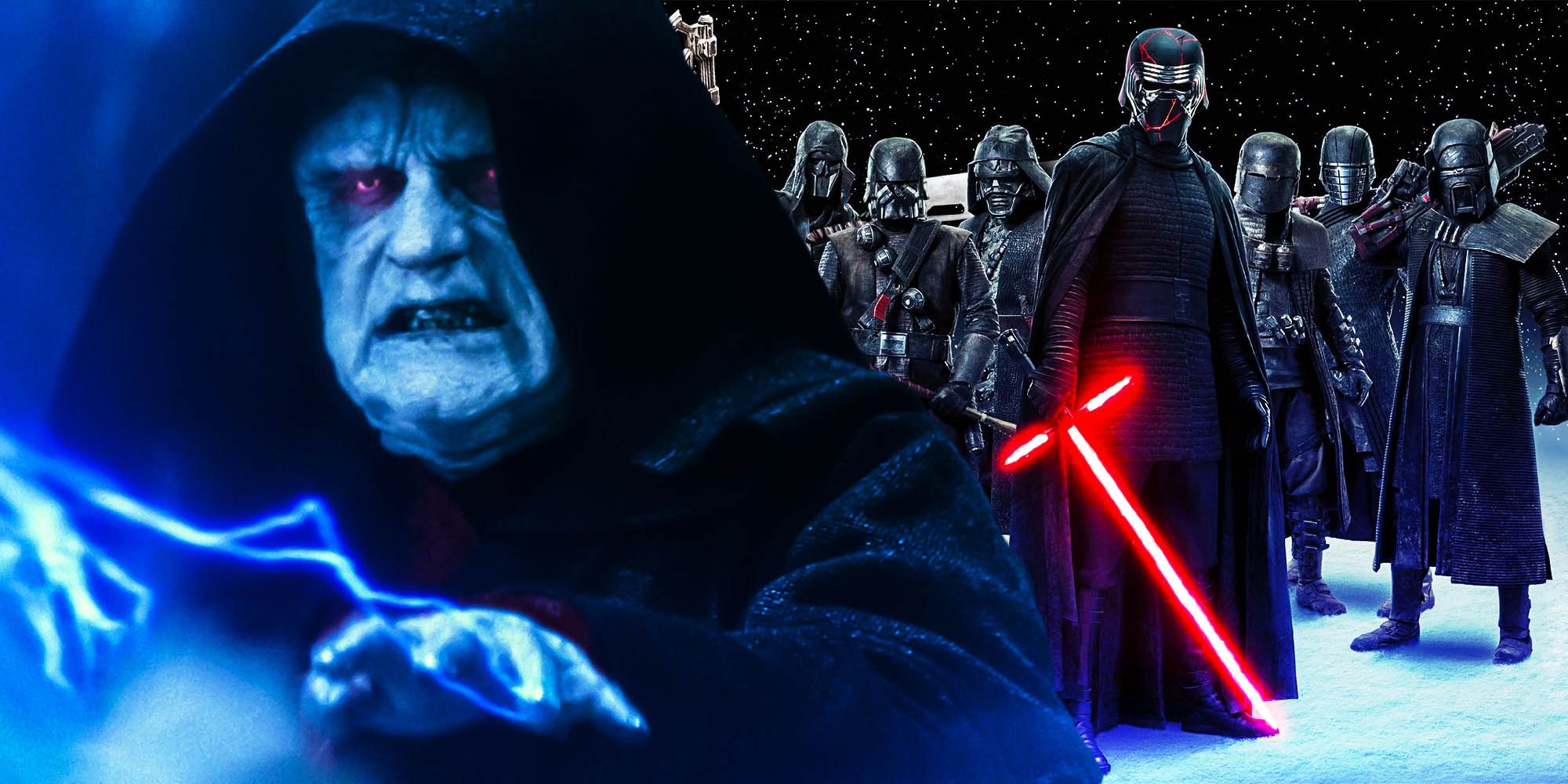
The Sith are the primary antagonists of the Star Wars saga, but they’re largely absent from the sequel trilogy, having been seemingly replaced by a different dark side religion: The Knights of Ren. All conflicts in the Skywalker Saga lead back to the Sith sooner or later, specifically their deadliest and most brilliant Dark Lord, Darth Sidious, aka Palpatine. The Sith seemingly died with Palpatine in Return of the Jedi, but The Emperor survived, and, thus, the Sith Order did, too. With Sith influence remaining behind the scenes yet again, the Knights of Ren became the new face of the galaxy’s dark side menaces, with their leader, Kylo Ren, being second in command of the Galactic Empire’s successor state, the First Order.
Although the Jedi are the galaxy’s most effective and famous Force users and the Sith the most powerful dark side users, the two are hardly the only Force religions in the franchise. The Sith created a splinter group, the Inquisitors, as a means to use corrupted Jedi as Imperial agents. Star Wars: The Clone Wars included a significantly reimagined version of the Legends-era Nightsisters, who use the dark side in the form of spells. Rogue One: A Star Wars Story introduced the Guardians of the Whills, a Force-using religion separate from the Jedi who guarded the Kyber crystals on Jedha. Considering how many Force-using religions exist in the Star Wars franchise, the sequels' introduction of a dark side group other than the Sith was fitting.
The Sith orchestrated the Separatist Crisis and the Clone Wars in the Star Wars prequels, paving the way for Palpatine to replace the Republic with the Galactic Empire with Darth Vader at his side. With the Sith seemingly gone at the end of the original trilogy, the sequels introduced Kylo Ren, the son of Leia Organa and Han Solo, as the successor to Vader and the leader of the Knights of Ren. The Knights had only a brief appearance in Star Wars: The Force Awakens and a small role in Star Wars: The Rise of Skywalker, but their origins and philosophies were expanded on in the four-issue comic miniseries Star Wars: The Rise of Kylo Ren.
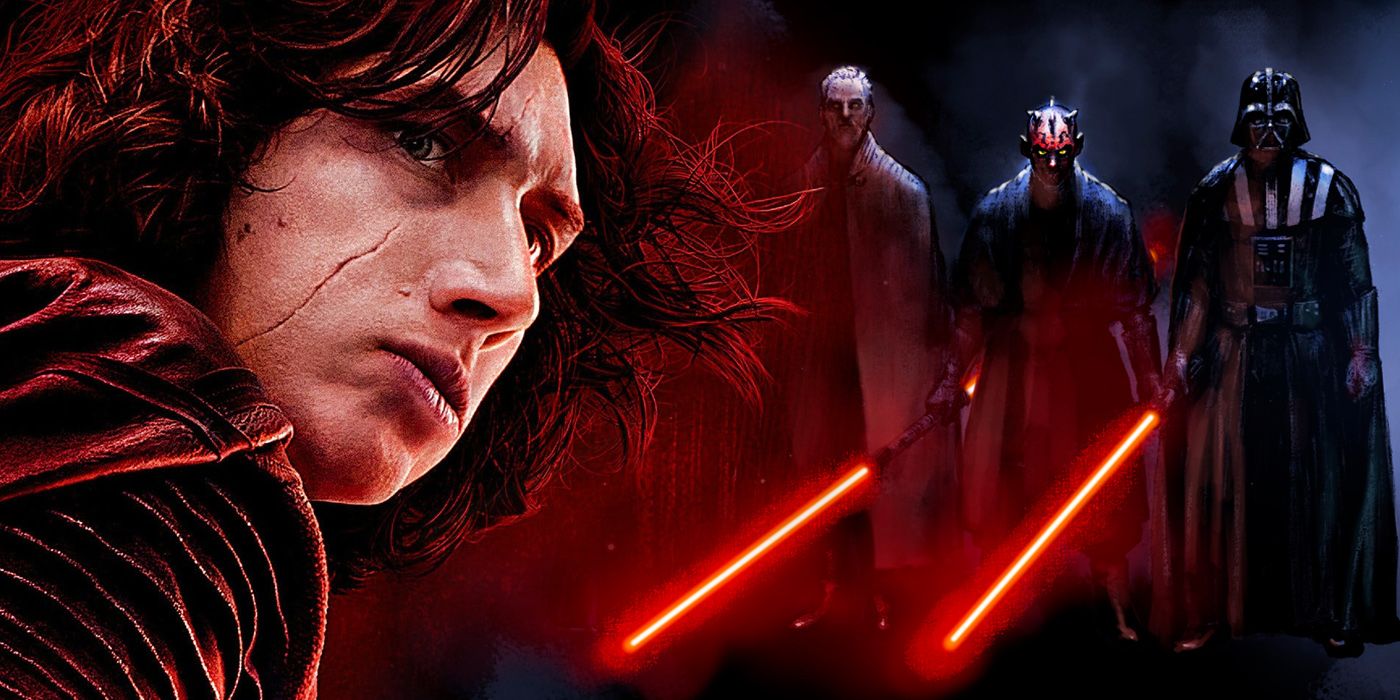
Thousands of years before the events of Star Wars' Skywalker Saga, a group of fallen Jedi formed the Sith Order on Moraband. Although they began as a Jedi splinter group, the Sith Order has a fundamentally different outlook on the Force and the galaxy than the Jedi. Using the corrupted power of the dark side rather than the Force, the Sith believed in dominating the galaxy from the shadows and imposing their absolute rule over all other beings. The Sith also developed the Rule of Two as a means to keep the order alive and reduce in-fighting. The Rule of Two, created by Darth Bane, kept the Sith two only a master and apprentice, each trying to replace the other.
The exact origins of the Knights of Ren are unknown, but at some point a gang of dark side-using marauders established themselves in the galaxy’s Unknown Regions, terrorizing the people of the galaxy. Unlike the Sith, the Knights of Ren had a far more passive philosophy and use of the dark side. While the Sith sought to control the dark side and use it to control the galaxy, the Knights of Ren followed the dark side, following its pull wherever it took them and stealing, pillaging, and murdering wherever their travels brought them. Unlike the Sith, the Knights of Ren didn’t limit their members, but given their dark side use, only the strongest and most ruthless could join their ranks.
While the Sith and the Knights of Ren have fundamentally different philosophies, the two do share some commonalities. Aside from using the dark side of the Force, both organizations also used similar weapons, in some cases. The signature weapon of the Sith is the red-bladed lightsabers, which they created by corrupting Kyber crystals with the dark side and making them “bleed.” While the Knights of Ren use various scavenged weapons, their leader also uses a red-bladed lightsaber, though theirs tend to be different from Sith weapons. Ren, the earliest known leader, built a self-destruct mechanism into his weapon, and Kylo Ren modified his weapon with a cross-guard to vent the unstable blade’s excess energy.
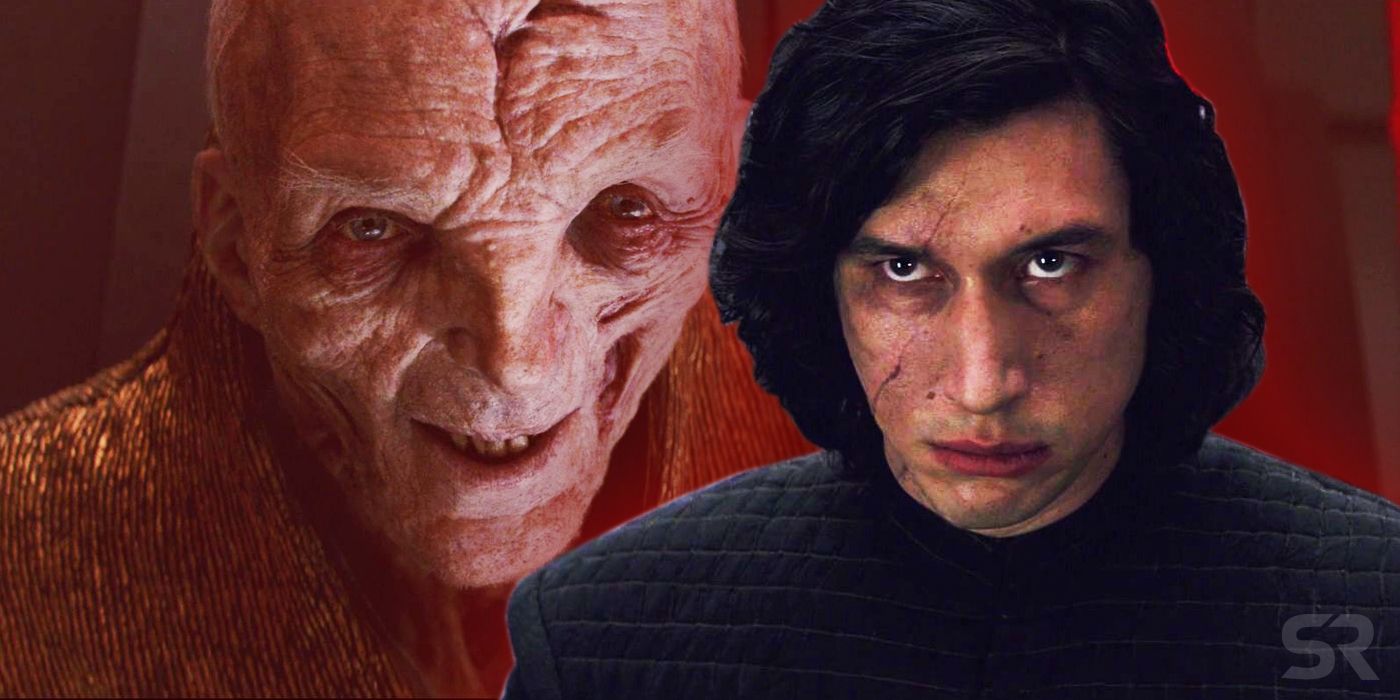
Two of the Star Wars sequel trilogy’s main villains, Snoke and Kylo Ren, are not Sith. Kylo Ren, despite worshipping his Sith Lord grandfather, never became a Sith himself. After leaving Luke’s revived Jedi Order, Ben Solo joined the Knights of Ren, eventually killing their leader and taking his place as their new master, Kylo Ren. As a Knight of Ren, Kylo wore body armor and a fearsome mask, which served multiple functions. In addition to protecting his head and indicating his knighthood, the mask also allowed Kylo to feel more like his grandfather and idol, Darth Vader.
Snoke wasn’t officially part of any dark side religion, Sith, Knights of Ren, or otherwise. Snoke was an unaffiliated dark side user and the Supreme Leader of the First Order, though he did mentor Kylo Ren, serving as his dark side master, which gave him a degree of authority over the Knights of Ren. Snoke was, ultimately created as a proxy for Darth Sidious, so despite his free will and incredible strength in the dark side, Snoke was yet another tool of the Sith Order, and his betrayal by Kylo Ren followed the Sith Rule of Two perfectly.
Despite never having joined the Sith, Kylo Ren became an ally of the order in The Rise of Skywalker. Working with Palpatine, Kylo combined the First Order with the Sith Eternal, forming the Final Order. The Knights of Ren followed Kylo Ren into this alliance as well, continuing to serve Palpatine after Kylo became Ben Solo once more. This was a fitting move for the Knights of Ren since they follow the dark side, rather than rule over it. With Palpatine, the galaxy’s most powerful dark side user, growing in strength, it makes sense that the Knights would follow his incredible dark side power and serve him. The key difference between the Sith and the Knights of Ren in Star Wars is revealed in their names. The Sith Lords rule over the dark side of the Force in the Star Wars saga while the Knights of Ren serve the dark side.
Comments
Post a Comment