[Editor’s note: Want to get this weekly review of news that startups can use by email? Just subscribe here.]
How well do Robinhood’s financials stack up against incumbent online brokerages? While we wait for the seven-year-old company’s long-planned IPO, Alex Wilhelm examined Morgan Stanley’s big $13 billion purchase of E-Trade for fresh data comparison points. Robinhood has 10 million accounts — twice what E-Trade has — but it also appears to make much less money per user and has far fewer assets under management, as he covered for Extra Crunch. So while its fee-free approach has destroyed a key revenue stream for competitors, it still has to grow its own “order-flow” business into its private-market valuation.
One solution is to make the platform stickier via social features. On the same day as the E-Trade deal announcement, Robinhood launched a new Profiles feature to encourage users to share stock tips. Josh Constine explored the offering and where it is headed on TechCrunch, concluding that “Profiles and lists, and then eventually more social features, could get Robinhood’s users trading more so there’s more order flow to sell and more reason for them to buy subscriptions.”
Alex also took a look at a new report on fintech funding, which found last year was a peak overall — but skewed towards later-stage companies. Certainly, the wealth management segment is looking mature.
But the category is massive, with many more incumbents left to disrupt. What are fintech investors looking for? Check out our popular investor survey on this topic from November.

How your startup can use TikTok for growth
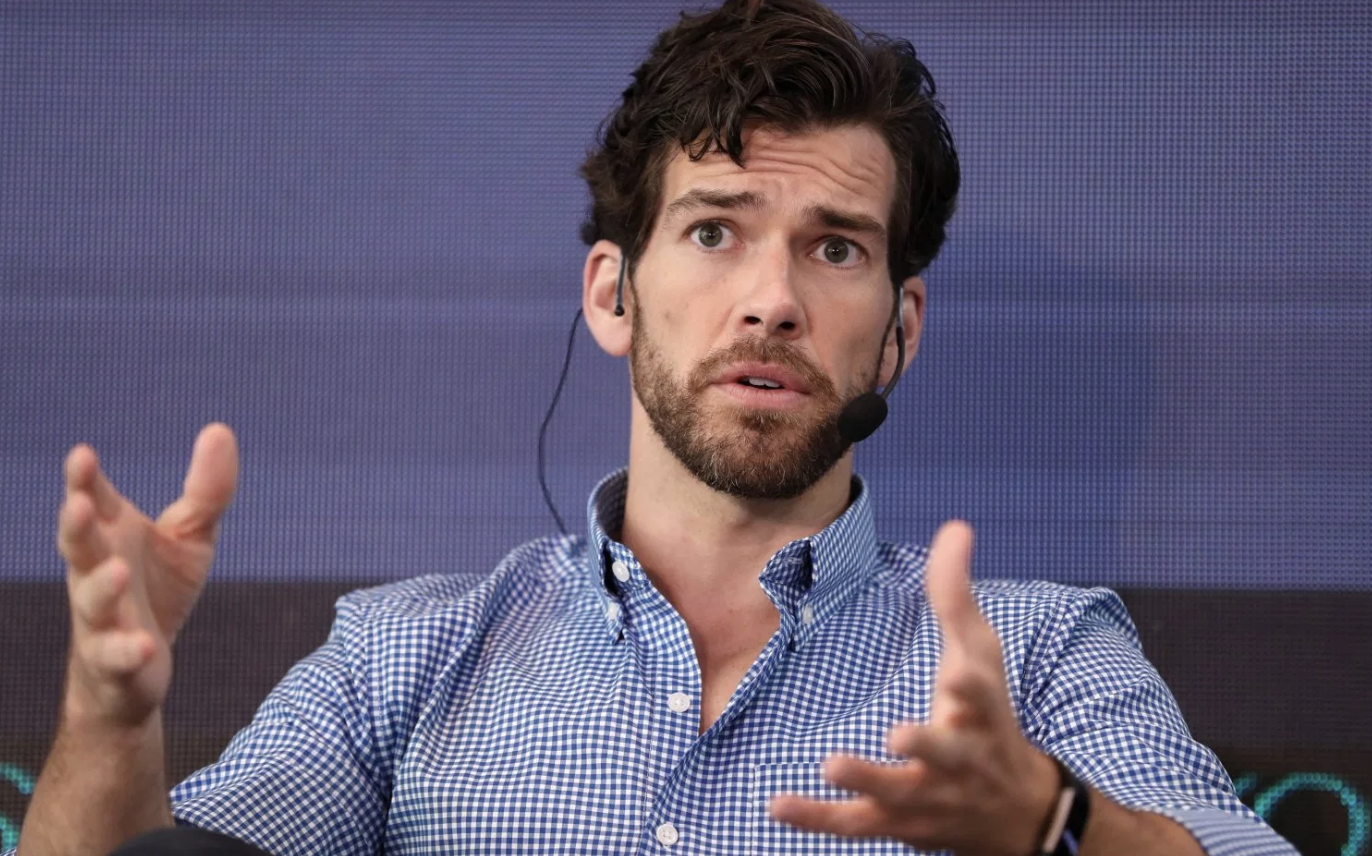
Fifth Wall’s Brendan Wallace: the proptech sector is hot despite WeWork
“Our mandate is any technology that can be strategic to the real estate industry,” the prolific investor told Connie Loizos in an extended interview for Extra Crunch this week. While WeWork may have depressed some investor interest, plenty of models are working great across various segments — so he and his partners are raising more funds. One of the hottest sectors, perhaps surprisingly, is in sustainable buildings. As Wallace details, public pressure, large-tenant pressure, large-investor pressure and new metro requirements have removed any choice that the industry has in the matter:
Make no mistake; we are front-and-center to what is happening in the real estate industry and the collision with technology, and this is the single-most-important thing that has happened to the real estate industry in the last five decades. The real estate industry is going to have to go carbon-neutral and that is brand-new.
Is this sector also your focus? Be sure to check out our survey of investors in construction robotics from last week to find out some of the latest opportunities, plus our overview survey of real estate and prop tech investors from November.

The future of manufacturing and warehouse robotics
Ahead of our big robotics conference at UC Berkeley in early March, we have been producing a whole series of surveys on robotics verticals. This week, our resident financial analyst Arman Tabatabai teamed up with our hardware editor turned conference organizer, Brian Heater, to do a series of interviews with VCs who are focused on warehouse and manufacturing robotics. Investors include:
- Rohit Sharma, True Ventures
- Ajay Agarwal, Bain Capital Ventures
- Rick Prostko, Comcast Ventures
- Fatima Husain, Comcast Ventures
- Shahin Farshchi, Lux Capital
- Cyril Ebersweiler, SOSV & HAX
- Kelly Coyne, Grit Ventures
Tell TechCrunch about gaming startups and remote work
Our media columnist Eric Peckham wants to feature your advice in two upcoming articles. If you have relevant expertise, click the links below and share your opinions.
- What are the best cities for gaming startups and how should gaming entrepreneurs compare which city is right for them?
- Have you helped lead a startup whose team is split 8-10 time zones apart between offices in Europe/Israel and the West Coast of the US? What tips do you have for others navigating this challenge?
Across the week
Do AI startups have worse economics than SaaS shops? (EC)
Elon Musk says all advanced AI development should be regulated, including at Tesla (TC)
SpaceX alumni are helping build LA’s startup ecosystem (EC)
Dear Sophie: I need the latest details on the new H-1B registration process (TC)
Tracking China’s astounding venture capital slowdown (EC)
The rise of the winged pink unicorn (TC)
Voodoo Games thrives by upending conventional product design (EC)
Ex-YC partner Daniel Gross rethinks the accelerator (TC)
How companies are working around Apple’s ban on vaping apps (EC)
Rippling starts billboard battle with Gusto (TC)
#Equitypod
This week was a fun combination of early-stage and late-stage news, with companies as young as seed stage and as old as PE-worthy joining our list of topics.
Danny and Alex were back on hand to chat once again. Just in case you missed it, they had some fun talking Tesla yesterday, and there are new Equity videos on YouTube. Enjoy!
This week the team argued about org-chart companies, debt raises, some of the items mentioned above, and much more. Details here.


Comments
Post a Comment