https://www.highperformancecpmgate.com/rgeesizw1?key=a9d7b2ab045c91688419e8e18a006621

NASA Develops ‘Internet’ For The Moon And Beyond

NASA developed LunaNet, an ‘internet’ network for the Moon and the Artemis missions. Artemis is NASA’s program to establish a long-term human presence on the Moon. The international moon program is the tip-of-the-sword of the US in the new space race, however, Artemis II has been delayed due to a legal lawsuit over a lunar landing module awarded to SpaceX by NASA and questioned by Blue Origin.

Artemis I is set to launch in November, sending a crew-less Orion spacecraft to our natural satellite. The following Artemis missions will land the first woman and first person of color on the surface of the Moon. The Artemis Base Camp in the south pole of the Moon is also considered a stepping stone to Mars and beyond. With all these moving parts, a reliable communications network would sure make things easier.


NASA created LunaNet to end disruptions and delays in communications and data transfer in space. Missions in space today depend on pre-scheduled links with space satellites or ground-based antennas, making communications and data transfer limited. LunaNet is designed to provide sustainable communications, navigation, weather monitoring, and will also be used for scientific purposes.
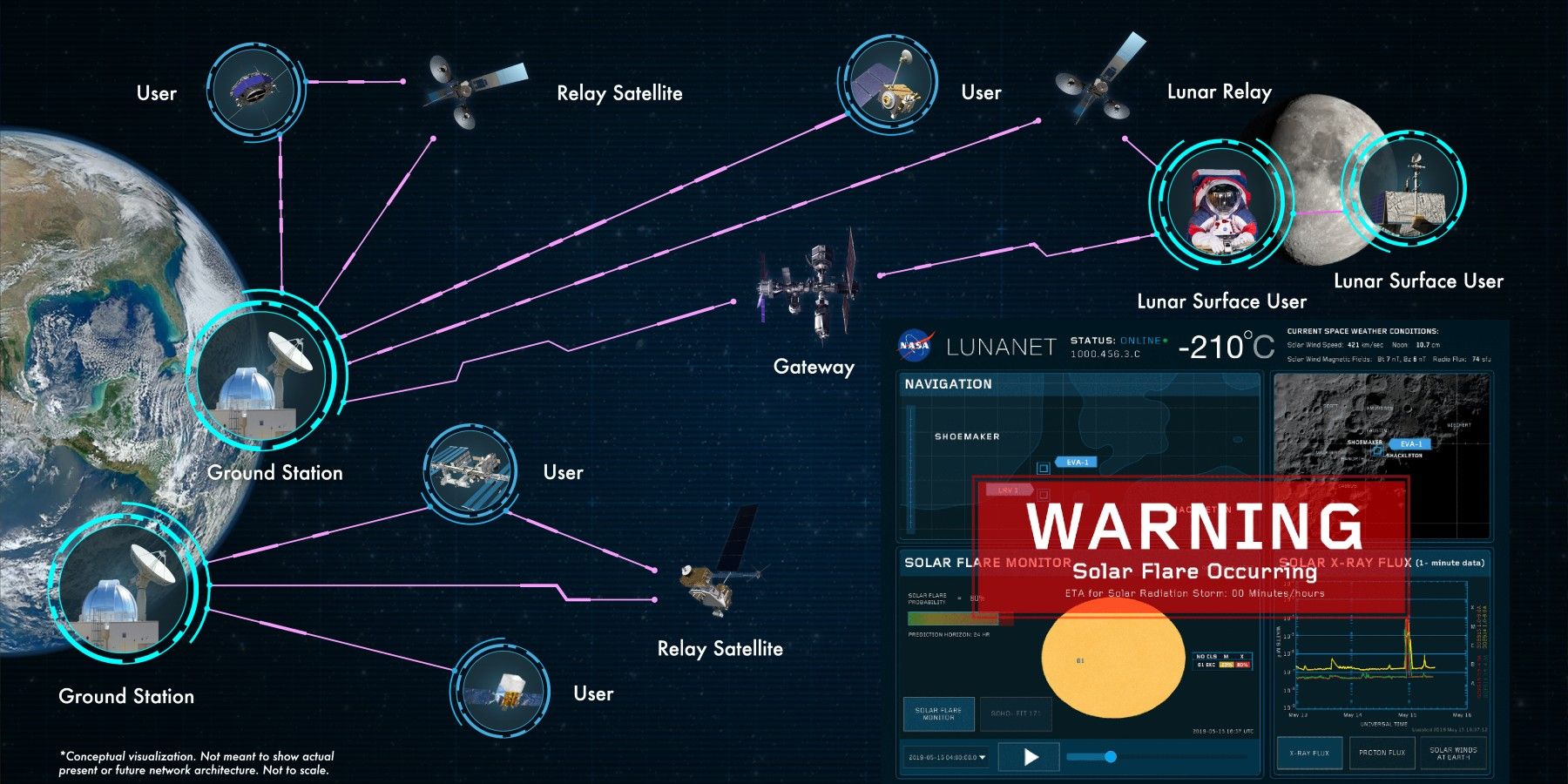
Photo: NASA/Reese Patillo

Like the internet, the LunaNet allows users to maintain connections with a larger network made up of nodes but in space. The LunaNet is a Delay-Disruption Tolerant Network DTN, using multiple nodes on the Moon, on satellites, and ground stations, ultimately creating a robust network. Each node can store and re-route data to find the best optimal path for it to reach destinations. Astronauts and rovers on the Moon will not have to wait for information to be processed and passed around from ground stations.

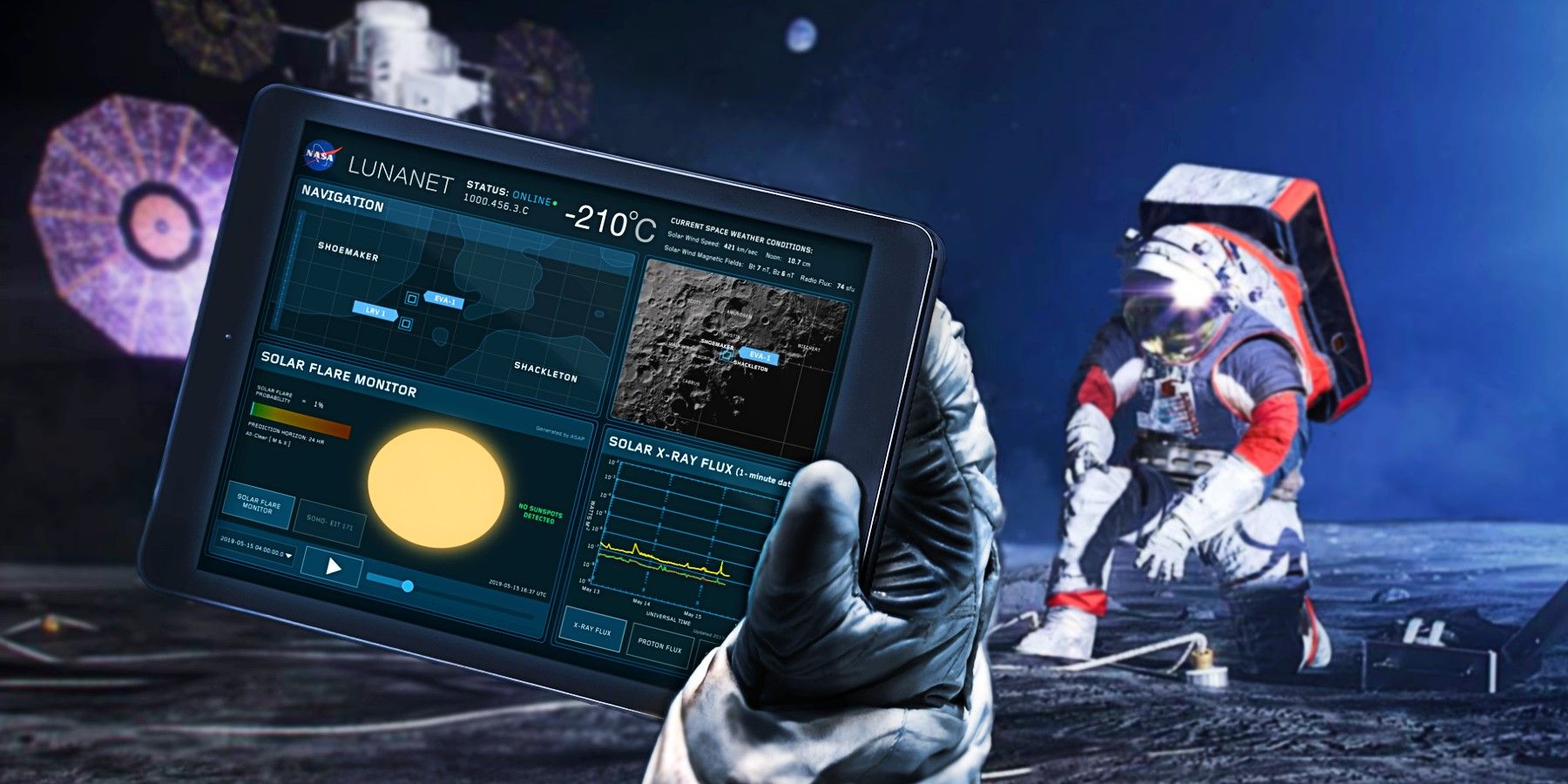
Academics, ground control, spacecraft, astronauts, and other users will be able to access the network no matter where they are. On the Moon, using LunaNet navigation, rovers and astronauts will be able to know their location, plot out routes, enable autonomous traveling, and set quick returns to base. Astronauts will also get real-time space weather information. In the event of dangerous solar storm activity, astronauts will receive an alert to seek shelter. LunaNet will also contribute to search and rescue programs, scientific experiments, and astronomical observations using radio astronomy. NASA will use LunaNet to research advanced space communications for future missions. "LunaNet is the first step in creating a Solar System internet," NASA says.

Next: Mercury Looks Stunning In These 

Source: NASA


Comments

Popular posts from this blog

Uber co-founder Garrett Camp steps back from board director role

Uber co-founder Garrett Camp is relinquishing his role as a board director and switching to board observer — where he says he’ll focus on product strategy for the ride hailing giant. Camp made the announcement in a short Medium post in which he writes of his decade at Uber: “I’ve learned a lot, and realized that I’m most helpful when focused on product strategy & design, and this is where I’d like to focus going forward.” “I will continue to work with Dara [Khosrowshahi, Uber CEO] and the product and technology leadership teams to brainstorm new ideas, iterate on plans and designs, and continue to innovate at scale,” he adds. “We have a strong and diverse team in place, and I’m confident everyone will navigate well during these turbulent times.” The Canadian billionaire entrepreneur signs off by saying he’s looking forward to helping Uber “brainstorm the next big idea”. Camp hasn’t been short of ideas over his career in tech. He’s the co-founder of the web 2.0 recommendatio...

Leading VCs discuss how COVID-19 has impacted the world of digital health

In December 2019, Extra Crunch spoke to a group of investors leading the charge in health tech to discuss where they saw the most opportunity in the space leading into 2020 . At the time, respondents highlighted startups in digital therapeutics, telehealth and mental health that were improving medical practitioner efficiency or streamlining the distribution of care, amongst a variety of other digital health markets that were garnering the most attention. Where top VCs are investing in digital health In the months since, the COVID-19 crisis has debilitated national healthcare systems and the global economy. Weaknesses in healthcare systems have become clearer than ever, while startups and capital providers have struggled to operate while wide swaths of the market effectively shut down. Given significant volatility and the rapid changes seen in the worlds of healthcare, venture and startups broadly, we wanted to understand which inefficiencies might have been brought to light, w...

News-reading app Flipboard expands local coverage, including coronavirus updates, to 12 more U.S. metros

Earlier this year, personalized news aggregation app Flipboard expanded into local news . The feature brought local news, sports, real estate, weather, transportation news and more to 23 cities across the U.S. Today, Flipboard is bringing local news to 12 more U.S. metros and is adding critical coronavirus local coverage to all of the 35 supported locales. The 12 new metros include the following:  Baltimore, Charlotte, Cleveland, Detroit, Indianapolis, Nashville, Pittsburgh, Orlando, Raleigh, Salt Lake City, St. Louis, and Tampa Bay. They join the 23 cities that were already supported:  Atlanta, Austin, Boston, Chicago, Dallas, Denver, Houston, Las Vegas, Los Angeles, Miami, Minneapolis-St. Paul, New Orleans, New York City, Philadelphia, Phoenix, Portland, Sacramento, San Diego, San Francisco Bay Area, Seattle, Toronto, Vancouver and Washington, D.C. To offer local news in its app, Flipboard works with area partners, big and small, like The Plain Dealer’s Cleveland.com , ...